
July 30, 2026
Summer Storm Prep: Is Your Atlanta Basement Ready for Heavy Rain?
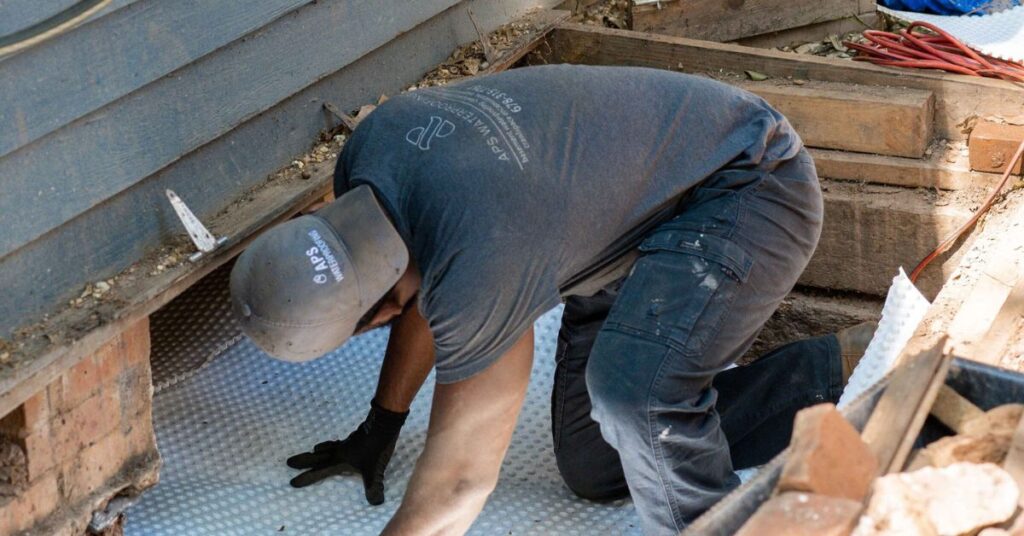
A fast-moving summer storm can push a lot of water toward the lowest point of the home. If you have noticed damp spots, musty odors, or pooling water downstairs, it is time to take Atlanta basement waterproofing seriously before the next heavy rain.
APS Waterproofing is here to help. We are a family-owned, licensed and insured company that has protected homes across Atlanta and North Georgia since 2020. With a 5-star reputation, financing options, and a lifetime warranty, our team focuses on diagnosing why water is getting in, then recommends the right combination of drainage and waterproofing steps to protect your foundation and indoor air quality.
Every project starts with a free inspection and fair, personalized pricing.
Where basement water really comes from in heavy summer rain
Most basement water problems from heavy rain start outside, not inside. Georgia clay soil holds water, and when the ground becomes saturated after a downpour, hydrostatic pressure builds against the foundation.
Overflowing gutters and short downspouts make it worse by dumping roof runoff right next to the home. From there, water pushes through small cracks, porous masonry, and weak joints.
The fix usually works in two stages: control the water around the home first, then manage anything that still reaches the foundation. That is why drainage and waterproofing go hand in hand.
Below is what to look for in your home if you would like to do a quick assessment.
| Risk signal | What it often means | Best next step |
| Water pooling near foundation after storms | Drainage is sending water toward the home | Pro: evaluation for surface drains or buried lines; see Exterior Drainage options |
| Musty smell or visible condensation | Moisture is lingering and raising humidity | Pro: moisture assessment and basement or crawlspace waterproofing plan |
| White powder on walls (efflorescence) | Water is moving through masonry and evaporating | Pro: identify entry points and relieve pressure with drainage |
| Cracks at floor wall joint or seepage lines | Water is finding the path of least resistance | Pro: inspection and basement waterproofing system design |
Early warning signs your basement is not storm-ready
The table above covers the loudest red flags. A few quieter clues are easy to miss until the damage adds up:
- Damp baseboards or bubbling paint on basement walls
- A clammy, humid feel in the lower level even on dry days
- Rust on metal shelving, HVAC components, or water heater bases
- Peeling paint, warped paneling, or damaged items stored near the slab
- Insects that thrive in damp areas, such as silverfish
If more than one of these shows up alongside the signals above, it is worth an evaluation before the next round of rain.
How does APS Waterproofing pinpoint the real cause?
Our process starts with a free, no-pressure inspection that looks at both the interior symptoms and the exterior source. Michael and the team begin outside, checking your grading and where roof runoff is actually landing.
From there, we look at ways to direct water away from the foundation, then map the likely entry points inside, including wall cracks and the floor-wall joint.
Once we understand how water is moving, we walk you through the findings and lay out clear options so you can make an informed call. Unlike some waterproofing companies in Atlanta that only treat the wet spot, we match the solution to how water actually behaves around your home.
For an overview of service options, review our Basement Waterproofing page and the broader Services list.
When Atlanta basement waterproofing is the right next step
Routine upkeep helps, but some problems signal a deeper issue. If water keeps pooling near the foundation, if seepage returns after every storm, or if fresh cracks show up at the floor-wall joint, the water outside is not being managed and surface fixes will not hold.
That is when a professional plan pays off. The right approach pairs drainage improvements that pull water away from the home with a waterproofing system that handles whatever still reaches the foundation. Learn more about Exterior Drainage options that redirect water before it turns into a basement problem.
Heavy rain plan: what to do before, during, and after a storm
- Before the storm: walk the perimeter. Confirm gutters are clear and downspouts are carrying water away from the home. If the grading still sends water toward the foundation, that is exactly the kind of issue we correct with exterior drainage.
- Before the storm: check the basement corners and the floor-wall joint. Look for staining, fresh dampness, or new cracks, and snap photos. Those photos give our team a head start at your free inspection.
- During the storm: monitor problem areas safely. If you have a known seepage spot, watch for active water and note where it enters. That is the entry point we target during a waterproofing assessment.
- After the storm: dry the area quickly. Run fans and a dehumidifier to limit lingering moisture, mold, and odor. Drying out is a stopgap, not a fix, if water keeps finding its way in.
- After the storm: call APS Waterproofing if water entered. Recurring seepage means the water outside is not being managed, and we can design a permanent drainage and waterproofing system to stop it for good.
Why homeowners trust us with their basement
When you call us, you work directly with Michael and the same small crew from inspection through the final walkthrough, not a rotating sales team. That hands-on approach is why most projects wrap up in two to three days, with larger jobs done in about a week.
We have spent years solving water problems specific to Georgia clay and heavy summer rain, so we design for how water actually moves around your home instead of forcing a one-size template. We stop water at its source rather than masking it, and we stand behind every system we install.
If you are weighing us against other waterproofing companies in Atlanta, ask whether the plan includes real drainage control, entry-point management, and a clear timeline for keeping your basement dry. That is the standard we hold ourselves to.
FAQs about Atlanta basement waterproofing and storm prep
How do I know if I need Atlanta basement waterproofing or just better drainage?
If water is pooling near the foundation or gutters are overflowing, drainage is often part of the solution. If water is still entering through the walls or the floor-wall joint, a waterproofing system may be needed too.
What should I have ready for a basement waterproofing inspection?
Make note of when the problem happens, where you see water or staining, and whether gutters or downspouts overflow during storms. Photos from a recent storm can help speed up diagnosis.
Does APS Waterproofing offer financing for basement waterproofing?
Yes. Pricing is fair and tailored to each job, and financing is available so the work stays affordable. Contact APS Waterproofing to learn more about current financing offers.
Get ready before the next Atlanta downpour
If your basement has shown signs of seepage, odor, or dampness, the time to act is now, while skies are clear.
Call APS Waterproofing at (678) 315-7761 or request a free inspection to talk through drainage improvements, financing options, and the right Atlanta basement waterproofing solution for your home across Atlanta and North Georgia.