
July 30, 2026
The Complete Guide to Basement Waterproofing in Atlanta
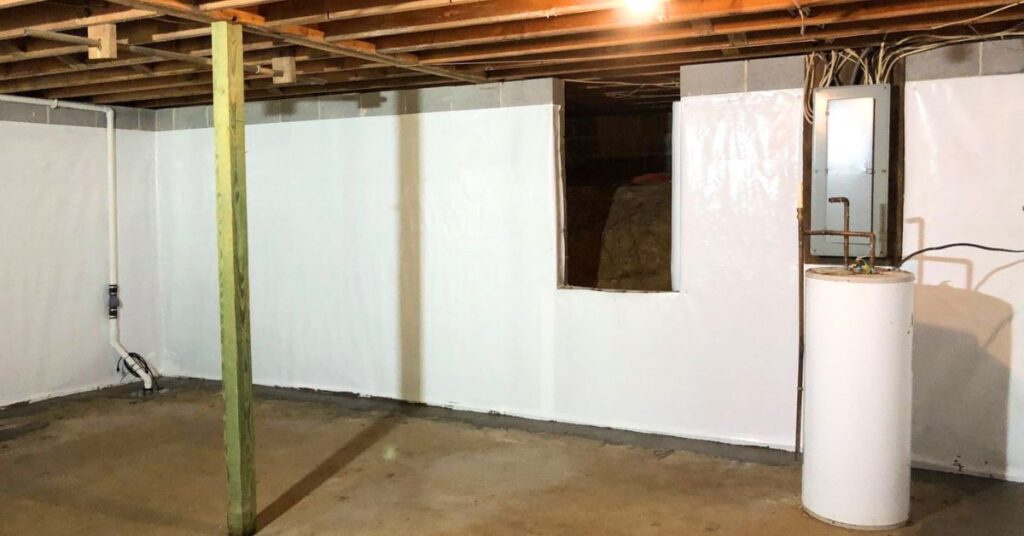
A wet basement rarely stays small for long, especially in a climate as humid and storm-prone as ours. APS Waterproofing is a 5-star rated, licensed and insured, family-owned company serving the Greater Atlanta area and North Georgia, with years of hands-on experience installing interior waterproofing systems, exterior drainage, and crawlspace encapsulation. Our team helps homeowners stop water intrusion at the source, protect their foundations, and keep indoor air healthy year-round. This guide walks through how Atlanta basement waterproofing actually works, the warning signs to watch for, and what to look for when comparing waterproofing companies in Atlanta.
What You Will Learn
This guide explains why Atlanta basements take on water more often than homes in drier regions and breaks down the differences between interior waterproofing, exterior drainage, and crawlspace encapsulation. You will also see the clearest warning signs that your basement needs a professional inspection, learn how common waterproofing methods compare, and pick up the right questions to ask before hiring among waterproofing companies.
Where We Serve
APS Waterproofing provides professional basement waterproofing, crawlspace encapsulation, crawlspace waterproofing, and exterior drainage across the Greater Atlanta area and North Georgia, including:
Atlanta · Marietta · Kennesaw · Roswell · Cumming · Austell · Dallas · Smyrna· Alpharetta · Decatur
Why Do Atlanta Basements Take On Water?
Atlanta sits on dense Georgia red clay, which holds water rather than draining it. After heavy rain, that saturated soil presses against your foundation walls in a process called hydrostatic pressure, forcing moisture through hairline cracks, wall joints, and the cove where the floor meets the wall. Add in long humid summers, steep lots, and aging drainage systems, and even well-built homes start to show signs of water intrusion. Effective atlanta basement waterproofing addresses both the water already inside and the conditions outside that keep pushing it in.
How Do I Know If My Atlanta Basement Needs Waterproofing?
Most basements show warning signs long before water becomes visible. Watch for:
- Visible water stains, damp spots, or pooling after rain
- A musty or moldy odor that returns no matter how often you clean
- White, chalky residue (efflorescence) on concrete walls
- Drywall that is bubbling, warping, or peeling near the floor
- Cracks in foundation walls or floors that seem to be growing
- Rust on appliances, hardware, or metal posts in the basement
If you notice any of these, schedule a professional inspection before the next major storm. APS Waterproofing offers free inspections across metro Atlanta, and you can request one through our contact page.
Interior vs Exterior Waterproofing: Which One Do You Need?
Most effective basement waterproofing uses a combination of approaches, but it helps to know the difference.
Interior waterproofing captures water that has already made it through the foundation and channels it to a sump pump that pumps it back outside. It is the most common solution for finished basements and ongoing seepage because it can be installed without excavating the yard.
Exterior drainage keeps water from reaching the foundation in the first place. This includes French drains, catch basins, grading corrections, and downspout extensions. It is usually the right starting point when the yard holds water or slopes toward the house.
A reputable inspector will not push a single method on every home. The best plan depends on your soil, slope, foundation type, and how water is actually moving on your property. You can see the full range of options on our services page.
| Method | How It Works | Best For | Avg. Timeline | DIY or Pro? |
| Interior Waterproofing | Channels water that enters the foundation to a sump pump system | Finished basements, ongoing seepage | 1-3 days | Pro |
| Exterior Drainage | French drains, catch basins, grading corrections, downspout extensions | Yards that hold water or slope toward the house | Varies by scope | Pro (DIY for basic downspout work) |
| Crawlspace Encapsulation | Seals the crawlspace with a vapor barrier to block ground moisture | High humidity, musty odors, pest concerns | 2-4 days | Pro |
What Does a Professional Waterproofing Project Look Like?
- Free On-Site Inspection. A specialist walks the property, evaluates the basement or crawlspace, checks grading and gutters, and identifies the source of moisture.
- Custom Plan and Quote. You receive a written plan that explains which systems are recommended, why, and what each one will solve. No pressure and no upsells.
- Preparation. The work area is cleared, protected, and prepped. For interior systems, a small channel is opened along the perimeter of the basement floor.
- System Installation. Drainage, sump pumps, vapor barriers, or exterior solutions are installed using materials rated for Georgia’s climate.
- Cleanup and Walkthrough. Crews restore the work area and walk you through how your new system functions, including maintenance tips.
- Long-Term Support. Warranties and seasonal check-ins help keep your basement dry for the long haul.
Ready to protect your home? Schedule your free inspection or call (678) 315-7761.
What Happens If You Wait Too Long to Waterproof?
Waiting on a basement moisture problem almost always costs more later. Left alone, that moisture can:
- Fuel mold growth that affects indoor air quality and triggers allergies
- Rot framing, joists, and subfloors
- Contribute to foundation settlement and cracking over time
- Damage flooring, drywall, and stored belongings
- Raise energy bills by keeping the home humid and harder to cool
- Chip away at resale value when buyers and inspectors find evidence of past leaks
A same-season fix is almost always less expensive than a delayed repair, and it protects the rest of the home from secondary damage. Learn more about our waterproofing services or request a free inspection.
Why Do Atlanta Homeowners Trust APS Waterproofing?
Not all waterproofing companies in Atlanta take the same approach, and the differences matter when your home is on the line. APS Waterproofing is a 5-star rated, licensed, insured, and family-owned company focused on long-term solutions rather than band-aid fixes. Our team has years of experience working with Georgia clay, sloped lots, and older foundations, and we stay honest about what your home does and does not need. Every project starts with a free inspection and a clear written estimate, so when you call APS, you get real answers and a plan built around your home.
When Should You Call for Emergency Basement Waterproofing?
Call right away if you notice:
- Active water flowing into the basement during or after a storm
- A sump pump that has stopped working
- Sewage smells or backups in the lowest level
- Sudden new cracks in foundation walls or floors
- Wet drywall, soaked carpet, or rising humidity after heavy rain
For urgent help, reach our team at (678) 315-7761 or send a quick message through our contact page.
FAQ: Atlanta Basement Waterproofing
How much does basement waterproofing cost in Atlanta?
Costs vary based on the size of your basement, the source of the water, and which systems are needed. APS provides free inspections and written quotes so you know exactly what your project involves before any work begins.
Is interior or exterior waterproofing better for Atlanta homes?
Most Atlanta homes benefit from a combination of both, because interior systems handle water that has already entered while exterior drainage keeps water away from the foundation. The right mix depends on your lot, soil, and foundation.
Will waterproofing stop mold in my basement?
Waterproofing addresses the moisture mold needs to grow, so it significantly reduces the risk of recurrence. Existing mold should be remediated separately before sealing or finishing the space.
How long does basement waterproofing take to install?
Most interior systems are completed in one to three days, while larger exterior projects can take longer. Your APS specialist will give you a clear timeline as part of your written estimate.
Do I need waterproofing if my basement is finished and dry?
A finished basement can still hide slow moisture, humidity, or hidden seepage behind drywall. An inspection is the simplest way to confirm your home is protected before a problem reaches the visible surface.
How do I choose among waterproofing companies in Atlanta?
Look for a licensed, insured, locally experienced team that offers free inspections, clear written estimates, and long-term warranties. Reading recent reviews and asking how each company diagnoses the problem helps you spot true specialists.
Protect Your Atlanta Home with APS Waterproofing
A dry basement starts with the right diagnosis and the right plan. APS Waterproofing helps homeowners across metro Atlanta and North Georgia stop water intrusion, protect their foundations, and breathe easier in their homes. Read more homeowner tips on our blog, or call to schedule your free Atlanta basement waterproofing inspection today.